Talia Engel is INDI’s in-house Registered Nutritionist. She has a Nutrition master’s degree from King’s College London and is a member of the Association for Nutrition.


The smarter way to support weight loss

Your gut health could be the key to long-term, sustainable weight loss. At INDI, we don’t believe in crash diets, juice cleanses, or quick shreds. While restrictive approaches might lead to quick weight loss, your body is smart, very smart. When it senses deprivation, it turns on survival mechanisms that make you hungrier and increase cravings for calorie-dense foods (especially sweet ones).
That’s why most diets don’t last, and why the weight often comes back. For sustainable weight loss, we suggest focusing on working with your body (not against it) by starting with your gut health…
WHY GUT HEALTH MATTERS FOR WEIGHT LOSS
Research shows that the composition of your gut microbiome (the community of trillions of bacteria living in your digestive tract) plays a role in metabolism and body weight. Certain strains of beneficial bacteria are more abundant in people with a healthy weight. These microbes support digestion, may help reduce inflammation, and may influence how your body stores fat. So, improving your gut health isn’t just good for digestion, it may help support lasting weight loss too.
HOW TO IMPROVE YOUR GUT HEALTH
Start by adding more fermented and prebiotic-rich foods to your plate. Fermented foods contain live beneficial bacteria, and prebiotics are fibres that feed beneficial bacteria.
Fermented foods (contain the “live bacteria” themselves):
- Live yoghurt
- Kimchi
- Miso
- Kefir
- Some aged cheeses
- Sauerkraut
Start small if you’re not used to eating these foods and build up gradually to avoid bloating or discomfort.
Prebiotic-rich foods (act like food for your microbiome, helping good bacteria thrive):
- Oats*
- Mushrooms*
- Whole grains*
- Chicory root inulin*
- Kiwi*
- Baobab*
- Jerusalem artichokes
- Onions
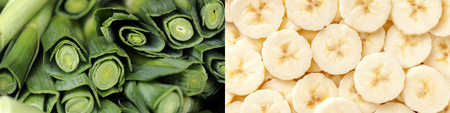
- Leeks
- Garlic
- Asparagus
- Bananas
* Found in INDI Daily Gut and INDI Gut Bars
It’s even better if you can eat probiotics and prebiotics together! How about adding some kefir to your oats? Or some miso to your mushrooms?
FIBRE IS YOUR BEST FRIEND
Fibre plays a huge role in sustainable weight loss:
- Keeps you feeling full: Fibre increases satiety by slowing digestion and promoting the release of fullness hormones, helping to reduce overall food intake and curb sugar cravings.
- Feeds beneficial gut bacteria: Prebiotic fibres fuel the growth of beneficial microbes in your gut, which in turn produce short-chain fatty acids (SCFAs)—compounds linked to improved metabolism, better appetite regulation, and lower body fat.
- Supports blood sugar balance: Fibre slows the absorption of glucose into the bloodstream, leading to more stable blood sugar levels. This is important for improving insulin sensitivity, which is closely tied to weight regulation and long-term metabolic health.
Aim to fill at least half your plate with fibre-rich plants at every meal. Include:
- Colourful fruit and veg
- Whole grains
- Legumes (like lentils and chickpeas)
- Nuts and seeds
- Herbs and spices
Plant diversity is key. The more types of plant foods you eat, the better (as different plants contain different fibres, polyphenols, phytonutrients which all have different skill sets in the body). So buy mixed nuts, mixed beans, mixed salad leaves, mixed peppers etc. when you can.
LET THE LESS NOURISHING FOODS FALL AWAY NATURALLY
Filling your plate with more fibre-rich foods means there is simply less room (and cravings) for ultra-processed options with added sugar, salt, preservatives. That’s the beauty of the “adding in, not taking away” approach—it’s not about cutting out foods, it’s about filling up on the good stuff.
Plants really can be delicious. Instagram, news articles, Tiktok and Substack are FULL of easy, plant-rich recipes. We’re currently loving @natsnourishments for her delicious, easy recipes you’ll actually enjoy!
BETTER SLEEP, BETTER CHOICES
Poor sleep is linked with increased hunger hormones, stronger cravings for sugary foods, and a higher risk of weight gain. When you’re low on sleep, your body seeks quick energy usually in the form of sugar or refined carbs.
To support healthy sleep:
- Aim for a consistent bedtime
- Avoid eating 2–3 hours before sleep
- Reduce screen time before bed
- Try INDI's natural Rest dropper to help wind down
FUEL THE CHANGE WITH A LEG-UP FROM INDI:
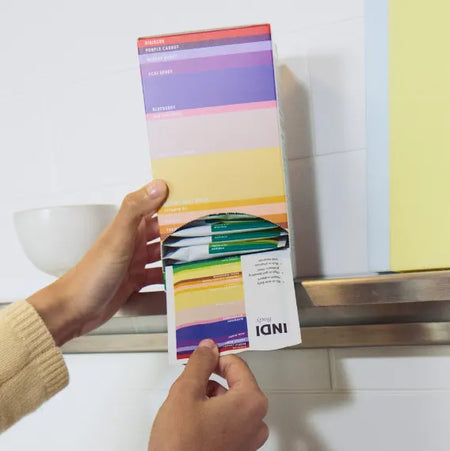
Daily Gut is made from a diverse blend of 15 whole plants and delivers 5.4g of fibre per serving.
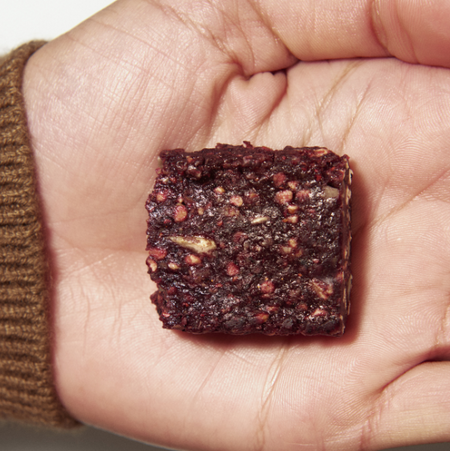
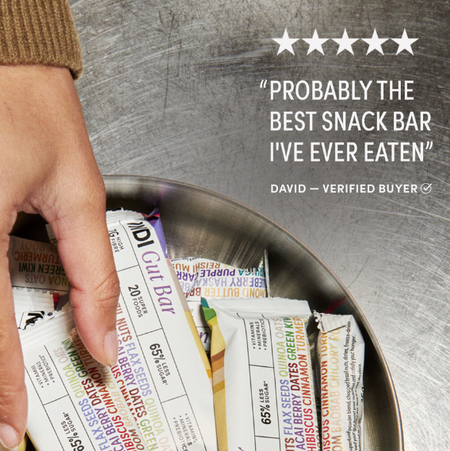
Gut Bar has 20 superfoods and delivers 7.8g of fibre.
THE BOTTOM LINE
Long-lasting, healthy weight loss doesn’t need to be centred around restriction. By nourishing your gut with a diverse range of plants, sleeping well, and making small, consistent changes, you’ll set yourself up to manage your weight in a way that fits more seamlessly into your life.
Gut Bars
High fibre berry & nut snack
from £20.00
A delicious, chewy, nutty, daily hit of gut-boosting greatness. 12x 35g per box.

Daily Gut
All-in-one nutrition support
£45.00
Our delicious berry flavour whole food and fibre-rich plant powder bolsters your daily diet to improve gut health, digestion, energy, mood and more. Loved by nutritionists, it's an everyday essential that virtually anyone will benefit from.
Need convincing? Try our 7 day trial pack for just £15.