Talia Engel is INDI’s in-house Registered Nutritionist. She has a Nutrition master’s degree from King’s College London and is a member of the Association for Nutrition.


A nutritionist's guide to choosing a snack bar

Did you know that 95% of the UK population snack at least once a day? According to a recent study, snacking makes up around 25% of our daily energy intake*. We see this as a golden opportunity to improve our diets.
But here’s the twist: it’s not how much you snack that’s the problem, but what you snack on that matters.
People who reached for lower-quality snacks (think biscuits, crisps) experienced poorer health outcomes (such as weight, blood fat and blood sugar response) compared to those who opted for whole plants such as fruit, nuts or seeds. Plus, participants who chose healthier snacks reported feeling fuller for longer. That’s no surprise since high-quality snacks contain more fibre and less refined sugar which will help regulate your blood-sugar response and minimise glucose dips (both of which are associated with greater feelings of hunger later on in the day).
WHAT SHOULD YOU DO?
So swapping out your usual snacks for healthier options could improve your health - both how you feel day-to-day and your risk of chronic disease in the long-term. There are lots of healthy snacks to choose from: whole fruits like apples and bananas with a handful of nuts or nut butter, veggies with hummus or tzatziki, edamame beans, crispy oven-roasted chickpeas and even 70% dark chocolate are all easy and delicious options.
But life moves fast, and finding healthy snacks when you’re out and about can be tricky. Whether you’re at work, on-the-move or just short of time, snack bars are a popular choice. But not all snack bars are created equal. We’ve created an ultimate guide:
CHOOSING A HEALTHY SNACK BAR
- CHECK THE SUGAR CONTENT
"No added sugar” and “Natural sugar” might sound like green flags, but they don’t necessarily mean a bar is low in sugar. Dates, raisins and syrups can all contribute significant amounts of sugar (despite it coming from a natural source), so look at how much sugar is in the bar, not just where that sugar came from. Ideally, look for bars where sugar is kept low and fibre and/or protein are high.
As a general guide, adults and children aged 11+ should have no more than 30g of free sugars per day. The recommended maximum is 24g for children aged 7–10 and 19g for children aged 4–6. When fruit is processed into things like pastes or powders, its cellular structure is broken down, making its naturally occurring sugars more readily available. That’s why we keep even naturally occurring sugars from fruit and dates low in INDI bars.
- SCAN THE INGREDIENT LIST
Manufacturers often sneak emulsifiers, preservatives and/or bulking agents into bars to improve texture, stability, and shelf life:
-
- Emulsifiers: (e.g., lecithin) Used to create a smooth, creamy texture.
- Bulking Agents: If they add fibre (like chicory root fibre) they’re a win, but others are just fillers to make the bar feel more substantial and could be negatively affecting your gut.
- Preservatives: Keep bars fresher for longer, maintaining colour and texture.
- Sweeteners: Sweeteners aren’t necessarily a healthier alternative to sugar. The World Health Organisation recommends against using non-sugar sweeteners for weight control, and emerging research suggests some may also affect the gut microbiome - another reason we prefer to keep things naturally sweet.
These additives can disrupt the balance of bacteria in your gut, potentially leading to negative effects. While more research is needed to fully understand their impact on health, one thing is certain — cutting back on foods high in additives will benefit your health. Have a scan of the ingredients list and opt for bars without emulsifiers, preservatives and bulking agents if you can.
It’s important to remember that not all additives are created equal - some, such as added fibre, vitamins and minerals, can be beneficial. They key is to ask questions and do your research, rather than assuming all additives are something to avoid.
- CHECK THE ORDER OF INGREDIENTS
Did you know ingredient lists are ordered in terms of how much of each ingredient is in the bar? So, if glucose syrup, date syrup or date paste are up first, you’re likely looking at a lot of sugar. This is okay if it’s eaten after a meal, when your body is better at handling the sugar influx, but may not be the best option if eaten on an empty stomach. After a health-boosting snack? Aim for something with plenty of fibre, plants and nutrients.
- FIBRE IS YOUR FRIEND
96% of the UK population are fibre deficient. Most adults consume just 18g per day (the recommendation for a 4-year-old) when we should all be aiming for 30g. Fibre does more than just keep you regular; it helps lower cholesterol, manage blood sugar, keeps you feeling full and supports gut health, which can improve digestion, energy, skin and even your mood.
While most bars shout about protein, we shout about fibre, as we know that 96% of the UK population are deficient.
THE BOTTOM LINE
Snack bars can absolutely be a convenient and healthy option, but a little label scanning goes a long way. Next time you’re eyeing the snack bar aisle, keep these tips in mind and make the choice that leaves you feeling full, energised, and ready to take on your day. Opt for bars with whole food ingredients, minimal additives, and a good dose of fibre. Your gut will thank you!
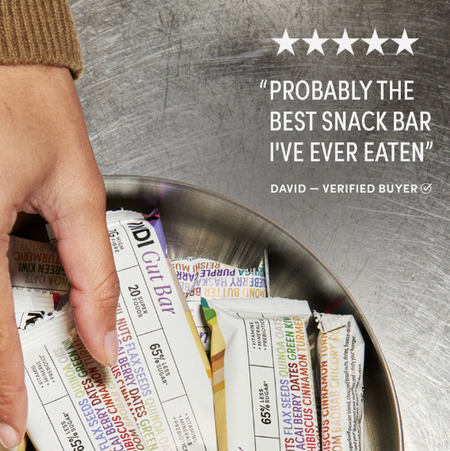
But we get it — finding a bar that ticks all those boxes can feel like searching for a needle in a haystack. That’s where the INDI bars comes in. It’s proof that you don’t need to compromise on health or taste when you’re on the go.
WHY INDI BARS STANDS OUT:
- Low in sugar: Gut Bars have only 4.1g of sugar - that’s 65% less than 40 of the leading “health” snack bars - and Brain Bars have 3.1g of sugar.
- No nasties: Absolutely no emulsifiers, preservatives, or unnecessary bulking agents.
- High-quality ingredients: The top ingredients are oats (packed with prebiotic fibre for heart health) and soluble fibre (to help with digestion and keep things moving smoothly).
- Full of fibre from plants: With 7.8g of fibre in Gut Bars and 6.3g of fibre in Brain Bars, INDI bars are a major helping hand toward your 30g of daily fibre and your weekly goal of 30 different plants.
*ZOE PREDICT 1 Study
Gut Bars
High fibre berry & nut snack
from £20.00
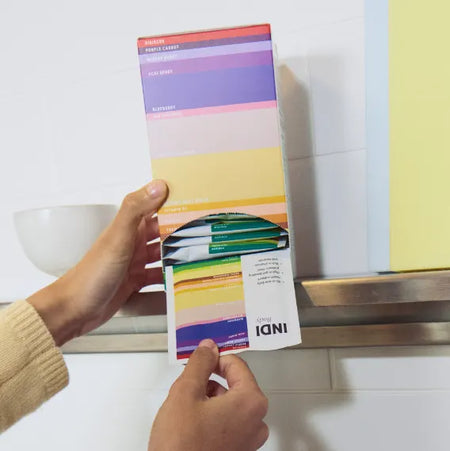
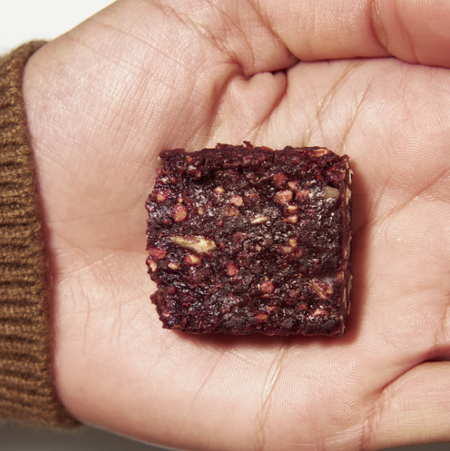
A delicious, chewy, nutty, daily hit of gut-boosting greatness. 12x 35g per box.