How to eat 30 plants a week (without overthinking It)

If you've spent time reading about gut health, you've probably come across the advice to eat "30 plants a week". At first glance, it sounds overwhelming. 30 different plants? Every week?
It’s actually much easier than it sounds - you’re likely already eating more than you think. Plants include far more than just fruit and vegetables, and small additions to your meals can quickly add up.
WHAT COUNTS AS A PLANT
Plants include:
- Fruit
- Vegetables
- Whole grains
- Beans, lentils and other legumes
- Nuts
- Seeds
- Herbs
- Spices
This means a bowl of porridge topped with blueberries, chia seeds, cinnamon and walnuts already contains 5 different plant foods.
WHY SHOULD WE EAT MORE PLANTS
Our gut is home to trillions of microbes that play important roles in digestion, immunity, appetite regulation, mood and overall health. Like us, these microbes need food to thrive. Plants provide fibre for beneficial gut microbes to feed on. We cannot digest fibre ourselves so instead it passes to our large intestine where gut microbes feast on it.
Fibre isn't the only reason plants are important. They also contain thousands of compounds called phytonutrients. These natural compounds help plants defend themselves against threats, and they can also benefit our health when we eat them.
For example:
- Carotenoids, found in orange, yellow and red foods such as carrots and tomatoes, act as antioxidants and can be converted into vitamin A, which supports vision and immune function.
- Anthocyanins, found in dark blue and purple fruits such as berries, have been linked to benefits for cognition, memory and immune function.
- Ellagic acid, found in pomegranates, has been shown to help reduce inflammation following exercise.
This is why nutrition experts often encourage us to "eat the rainbow". Different colours often indicate different phytonutrients and different health benefits, so variety matters just as much as quantity. It's better to eat a bowl of mixed fruit than loads of apples!
IS 30 A MAGIC NUMBER?
The ‘30 plants a week’ recommendation comes from the American Gut Project, which analysed the gut microbiomes and dietary habits of more than 10,000 people. Researchers found that people who ate more than 30 different plant foods per week tended to have greater microbial diversity than those who ate fewer plant foods.
However, the study only found an association between eating more plant foods and having a more diverse gut microbiome. It did not prove that eating exactly 30 plants causes better gut health, nor did it identify 30 as a biological "magic number".
Instead, it's best viewed as a practical and memorable target. The real takeaway is that dietary variety matters. Someone eating 25 different plants each week is likely doing better than someone eating only 5, and increasing plant diversity is beneficial even if you don't hit 30 every week.
HOW TO EAT MORE PLANTS
The best approach is to gradually build more variety into meals you already enjoy:
1. START WITH SPRINKLES:
Add chia seeds, flaxseeds, pumpkin seeds or sunflower seeds to porridge, yoghurt, salads, soups, pasta or eggs.
2. SNACK SMARTER:
Pair fruit with nuts, seeds or dark chocolate (70% cocoa or above).
3. INCLUDE LEGUMES DAILY:
Try lentils in a bolognese, chickpeas in salads, white beans blended into sauces or black beans in chilli.
4. CHOOSE WHOLE GRAINS:
Swap refined grains for wholegrain alternatives such as oats, wholegrain bread, brown rice, quinoa, pearl barley or wholewheat pasta.
5. CREATE COLOURFUL TRAY BAKES:
Roast a variety of vegetables such as peppers, courgettes, leeks, onions, carrots and cauliflower with olive oil, herbs and spices.
6. BOOST SAUCES, SOUPS AND DIPS:
Blend vegetables and beans into soups, curries, pasta sauces and dips.
7. SWITCH YOUR SPREADS:
Try hummus, guacamole or pesto in place of butter
8. MAKE CHOCOLATE BARK:
Melt dark chocolate and top with nuts, seeds, coconut flakes, fruit or tahini before freezing.
9. USE NATURAL SWEETNESS:
Mash banana into porridge, add dates to breakfast bowls or enjoy dates stuffed with nut butter.
10. MAKE YOUR OWN JAM:
Heat berries and stir through chia seeds for a quick, fibre-rich jam.
11. UPGRADE YOUR TOAST:
Top toast with mashed butter beans, chickpeas, cannellini beans or avocado.
12. CHOOSE DIFFERENT VARIETIES:
Remember that different varieties and colours count too:
- Mix up red onions, white onions and shallots.
- Choose different coloured peppers and tomatoes.
- Try one new fruit, vegetable, grain or legume during your weekly shop.
HOW INDI CAN HELP
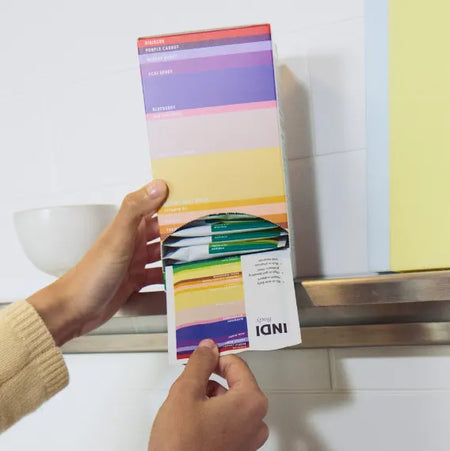
Kick start your day with 15 of the world's most nutrient-dense plants, delivered in evidence-backed doses. Loved by nutritionists, this berry-flavoured whole food powder addresses common nutrition gaps with prebiotic fibre, probiotics, Vitamin D3, B12 and C.
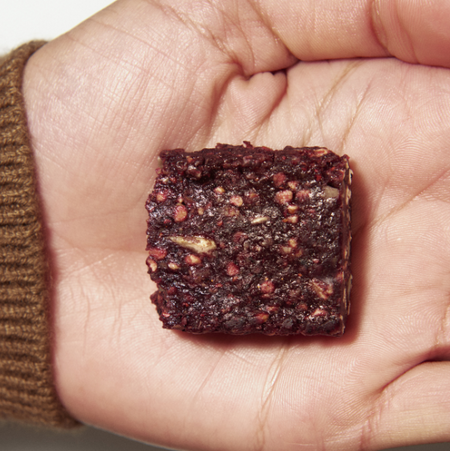
Packed with 20 nutrient-dense plants, including almond butter, haskap berries, acai berries, Brazil nuts, flaxseeds and crispy quinoa, with no artificial additives or added sugar. High in fibre, they provide slow-release energy, support fullness and make plant diversity easy on the go.
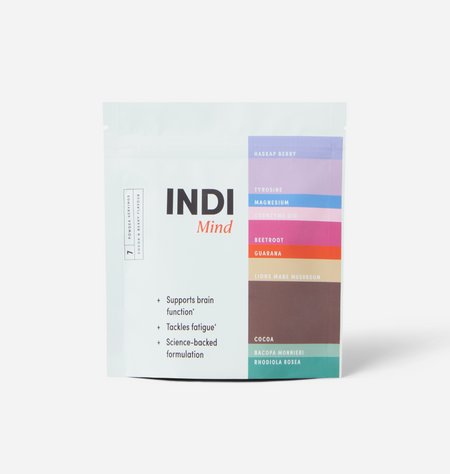
This cocoa-berry plant powder supports focus and mental energy when you need a pick-me-up, without the jitters. It contains 10 plants to support both short-term cognitive performance and long-term brain health.
LAST THOUGHTS
If you're guilty of eating the same few fruits and vegetables every day (hello apples, peas, broccoli and carrots), your gut microbiome may benefit from a little more variety.
While 30 plants a week isn't a magic number, it is a useful goal that encourages us to eat a broader range of plant foods. Rather than aiming for perfection, focus on adding more variety wherever you can.
Mind Trial
£10.00
Brain-boosting superfoods
Our cocoa-berry flavour plant powder delivers renewed focus and mental energy when you need a pick-me-up (but without the jitters). It works within 10 minutes and lasts up to 4 hours, while our targeted ingredients protect your brain health long-term too. It’s you—but sharper.
Skip the trial and buy a month's supply here.
Gut Bars
from £20.00
A delicious, chewy, nutty, daily hit of gut-boosting greatness. 12x 35g per box.