- Mozaffarian, D. et al. (2025). American Journal of Lifestyle Medicine. https://pmc.ncbi.nlm.nih.gov/articles/PMC12125019/
- Johnson, B. et al. (2025). Frontiers in Nutrition. https://pmc.ncbi.nlm.nih.gov/articles/PMC12062175/
- Karakasis, P. et al. (2024). Metabolism. https://pubmed.ncbi.nlm.nih.gov/39719170/


Nutrition on GLP-1s: do you need supplements?

GLP-1 medications like semaglutide (Ozempic, Wegovy) and tirzepatide (Mounjaro) have transformed weight management, but when appetite is down and less food is eaten, it’s important to make sure what is eaten, is enough to reach dietary recommendations and support health. Research shows that up to 22% of GLP-1 users develop at least one nutritional deficiency within 12 months, with vitamin D, iron, fibre, protein, and B12 among the most common gaps. [1]
WHY FOOD QUALITY MATTERS MORE ON GLP-1s
GLP-1 medications work in part by suppressing appetite (and the so called “food noise” that drives overeating), which naturally means eating less throughout the day. When overall intake drops significantly, so does the intake of the vitamins, minerals, protein, fibre, and healthy fats that your body depends on.
The focus shifts from eating less to eating smarter. Every meal becomes an opportunity to pack in maximum nutritional value. And for many people, food alone simply won't be enough to fill the gaps.
THE MOST COMMON NUTRITIONAL GAPS
A 2025 study found that the majority of people on GLP-1 therapy fall significantly short of recommended daily intakes for several key nutrients - including fibre (88% were below the recommended daily intake) vitamin D (98.6%), potassium (98.6%), magnesium (89.9%) and iron (88.4%). [2]
With reduced food intake, it becomes essential to prioritise foods rich in vitamins, minerals, fibre, protein and healthy fats relative to their calorie content to maximise nutrition density.
In practice, this means focusing on two key areas:
1. MAXIMISE MICRONUTRIENT INTAKE THROUGH PLANT DIVERSITY
Micronutrients (vitamins and minerals) are essential for nearly every function in the body, including energy production, immune function, hormone regulation, thyroid function and red blood cell formation. When overall food intake decreases, the risk of micronutrient gaps increases significantly.
- To support adequate intake:
- Increase plant foods - fruits, vegetables, whole grains, legumes, nuts, seeds, herbs and spices
- Aim for diversity as different plants provide different micronutrients
2. PRIORITISE FIBRE, PROTEIN AND HEALTHY FATS
Beyond micronutrients, 3 macronutrients deserve particular attention on GLP-1 therapy:
Protein helps preserve muscle mass, a real risk during significant calorie restriction. Without adequate protein, weight loss can come at the cost of lean tissue, not just fat. A review of 22 randomised control trials with 2258 participants found that about a quarter of total weight loss is lean mass - but it did depend on which drug you were taking [3]. Resistance training is also key here to ensure lean mass is reserved.
Fibre supports gut health, digestion, and blood sugar regulation. It's also critically important for managing constipation, one of the most common side effects of GLP-1 medications. Approximately 88% of GLP-1 users fall below the recommended daily intake. [2]
Healthy fats are essential for hormone function, brain health, gut lining integrity and the absorption of fat-soluble vitamins: D, A, E and K.
Nutrient-dense foods that deliver all 3:
- Seeds (e.g. chia, flax, pumpkin, sunflower, hemp)
- Legumes (e.g. chickpeas, lentils, butter beans, edamame)
- Nuts (e.g. almonds, walnuts, cashews)
- Avocado
- Oily fish (salmon, sardines, mackerel)
- Eggs
- Whole grains (e.g. quinoa, spelt, buckwheat)
These foods deliver significant nutritional value in smaller portions, making them well-suited to reduced-appetite eating.
THE MEDITERRANEAN DIET
A practical way to bring all of this together is through the Mediterranean diet - one of the most well-researched dietary patterns in nutrition science, and one specifically highlighted in expert guidance for GLP-1 users. [1] This approach emphasises:
- High intake of healthy fats (olive oil, nuts, seeds, avocados)
- Plenty of colourful fruits and vegetables, eaten in variety
- Regular consumption of whole grains and legumes
- Moderate lean proteins, including fish and occasional red meat
- Minimal processed meat/foods, refined sugars, and ultra-processed snacks
- Slow, social eating - shared meals, eating without distraction
- Regular physical activity, particularly walking
This approach naturally addresses most of the nutritional priorities outlined above - high plant diversity, adequate fibre, healthy fats, and lean protein - while remaining flexible and sustainable in the long-term, post GLP-1.
WHEN TO CONSIDER SUPPLEMENTS ON GLP-1s
In many cases, diet alone may not fully close nutritional gaps - particularly during periods of significant appetite reduction or dose escalation. This is why a combination of high-quality nutrient-dense foods and targeted supplementation is often recommended.
In these cases, the following supplements can be useful:
- Fibre supplements to meet daily targets and support digestion, gut health, and constipation
- Polyphenol/antioxidant-rich supplements to support antioxidant status and gut health
- Multivitamins to reduce the risk of micronutrient deficiencies
- Protein powders to meet daily protein targets and preserve muscle mass during weight loss
Specifically for micronutrients, blood testing can help identify specific deficiencies and choose supplementation precisely.
SUPPORT FROM INDI
INDI products are designed to fill the nutritional gaps that matter most on GLP-1 therapy - fibre, plant diversity, polyphenols, vitamin D, B vitamins, and healthy fats.
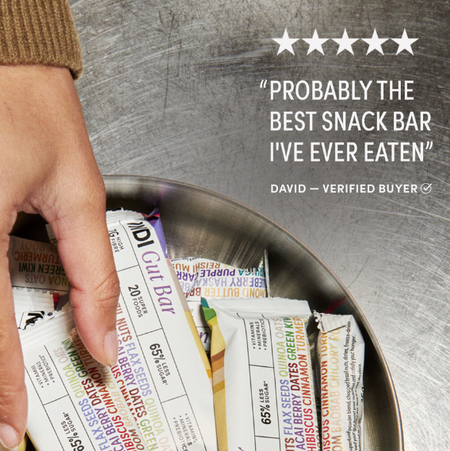
GUT BARS
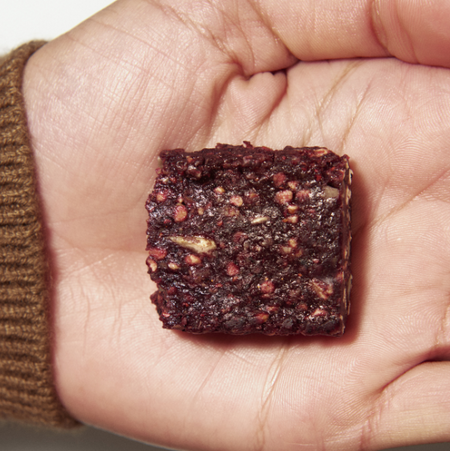
A nutrient-dense whole food snack high in fibre, plant phytonutrients, and the vitamins GLP-1 users are most at risk of falling short on. Packed with nutrition in a small, delicious portion.
+ 20 superfoods
+ 7.8g fibre
+ 94% of vitamin D3 recommend intake (RI)
+ 20% of vitamin B12 RI
DAILY GUT
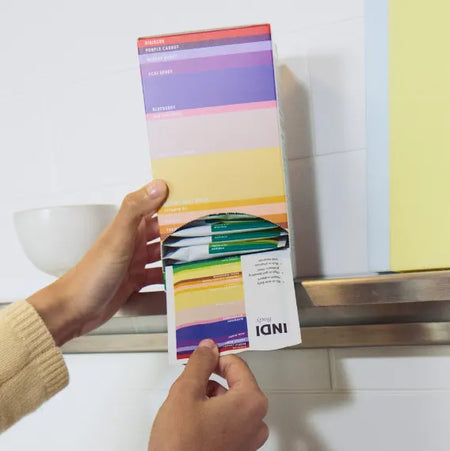
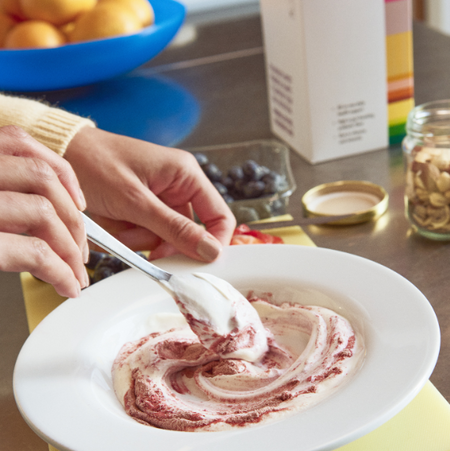
A whole food multivitamin with vitamins and minerals sourced from whole foods, frozen at source and powdered to preserve their nutritional content. It also contains prebiotic fibre and polyphenols to feed the gut and help with bowel regularity.
+ 15 plants
+ 4.05g fibre
+ 375% of vitamin D3 RI
+ 75% of vitamin B12 RI
Daily Gut
All-in-one nutrition support
£45.00
Our delicious berry flavour whole food and fibre-rich plant powder bolsters your daily diet to improve gut health, digestion, energy, mood and more. Loved by nutritionists, it's an everyday essential that virtually anyone will benefit from.
Need convincing? Try our 7 day trial pack for just £15.

Gut Bars
High fibre berry & nut snack
from £20.00
A delicious, chewy, nutty, daily hit of gut-boosting greatness. 12x 35g per box.