How to eat to support the menopause transition

What you eat during the menopause transition can play a role in supporting your body through the changes it undergoes. One area worth paying attention to is your gut microbiome: the trillions of microorganisms living in your digestive system, which influence everything from digestion to hormone metabolism.
Your gut is home to a group of bacteria known as the estrobolome, which are involved in how oestrogen is metabolised and recycled in the body. While research into the relationship between the gut microbiome and menopausal symptoms is still developing, supporting your gut health is a worthwhile focus.
Here are three ways to build a more gut-friendly diet during menopause.
1. START WITH PLANTS. LOTS OF THEM.
Your gut bacteria feed on fibre, and different types of fibre nourish different groups of bacteria. Nuts, seeds, whole grains, beans, lentils, fruit and vegetables all provide fibre to support a diverse gut microbiome.
Research suggests that greater plant diversity is associated with a more diverse gut microbiome. So, rather than relying on the same few ingredients every week, aim to eat a wide variety of plant foods. Herbs, spices, dark chocolate and coffee count, too!
Colourful fruits and vegetables also contain beneficial plant compounds, including polyphenols, which can interact with and help nourish gut bacteria. Choose different coloured tomatoes, peppers, onions and leafy greens. Think of it as eating the rainbow.
How to pack in more plants:
- Add berries, cinnamon and mixed seeds to your morning porridge.
- Swap white rice for brown rice or quinoa, and add a handful of edamame.
- Stir lentils or chickpeas into soups, stews and pasta sauces.
- Snack on an apple with nut butter, or Greek yoghurt with a handful of mixed nuts and seeds.
If you're looking to increase your fibre intake, start with small amounts and build up gradually, drinking enough water along the way. Think of it like training a muscle in the gym: you wouldn't start with the heaviest weight on day one.
You might notice some extra gas or bloating as you increase your fibre intake. This is often a normal result of gut bacteria fermenting fibre, and symptoms may settle as your gut adapts. Increase your intake gradually and find what works for you.
2. MAKE ROOM FOR FERMENTED FOODS
Fermented foods are another way to support your gut microbiome. Foods such as live yoghurt, kefir, kimchi, sauerkraut and miso can contain beneficial microorganisms, depending on how they are made and processed. Including a variety of these foods may help support gut microbial diversity.
Easy ways to add them to your day:
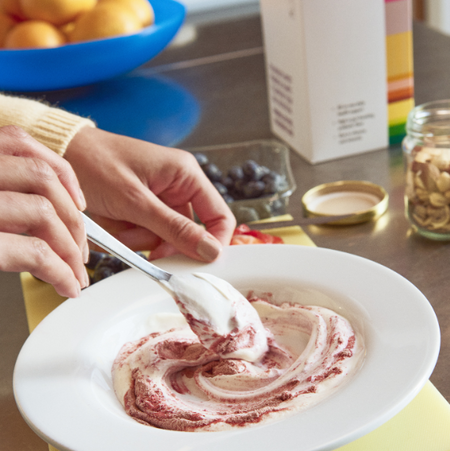
- Blend kefir into a breakfast smoothie, pour it over porridge or add it to your yoghurt bowl.
- Add a spoonful of kimchi or sauerkraut to grain bowls, salads or sandwiches.
- Stir miso into soups, broths or salad dressings.
- Serve live yoghurt alongside fruit, nuts and seeds, or use it as a base for savoury dips.
- Add yoghurt or kefir to salad dressings.
- Start with small amounts of the fermented foods you enjoy and build from there.
3. DON'T FORGET PHYTOESTROGENS
Phytoestrogens are naturally occurring plant compounds that can interact with oestrogen receptors in the body. They're found in foods such as soya beans, tofu, tempeh, edamame and flaxseeds. Soya contains phytoestrogens called isoflavones, while flaxseeds contain a different type known as lignans.
Because phytoestrogens can have weak oestrogen-like effects, they've attracted interest for their potential role in supporting women during menopause. Some research suggests that soya isoflavones may modestly reduce the frequency or severity of hot flushes in some women, although results vary and the evidence isn't conclusive.
Your gut microbiome also plays a role in how some phytoestrogens are metabolised, making a varied, fibre-rich diet a very useful foundation.
How to incorporate them into meals:
- Make a tofu stir-fry with broccoli, peppers and brown rice.
- Add edamame beans to salads, noodle bowls or homemade sushi bowls.
- Mix ground flaxseeds into porridge, overnight oats or smoothies.
- Try tempeh in wraps, grain bowls or roasted vegetable trays.
- Snack on edamame beans for a salty snack.
THE TAKEAWAY
Supporting your gut microbiome during menopause doesn't have to mean following a complicated diet. Focus on eating a wide variety of plants, including fermented foods and incorporating phytoestrogen-rich ingredients such as soya and flaxseeds into everyday meals.
These simple habits can support your gut health and overall wellbeing as you navigate the menopause transition. Alongside a balanced diet, regular physical activity and strength training, good-quality sleep, managing stress and support from your healthcare professional can all play a role in looking after yourself during this stage of life.