Dr Linia Patel is an internationally-renowned and award-winning Women’s Health Dietitian, Performance Nutritionist, and Public Health Researcher. For more advice, practical tips and recipes, follow @liniapatelnutrition on Instagram. Her new book Life After Weight-Loss Medication is out now.


5 tips for keeping weight off

Have you ever tried to lose weight?
If you have, you've probably followed some sort of plan. Perhaps you've counted calories, cut carbs, tried intermittent fasting, followed a keto diet or, more recently, used a GLP-1 medication.
We live in a world overflowing with advice on how to lose weight.
But how much advice have you received about maintaining the weight you've lost? For most people, the answer is very little.
The reality is that most weight-loss plans focus entirely on getting the weight off. Few prepare you for what comes next. Yet maintaining weight loss is often the harder part. In fact, weight loss and weight maintenance are two completely different phases of the journey. They require different skills, different habits and, most importantly, a different mindset.
That's one of the reasons I wrote Life After Weight-Loss Medication. We are entering an era where millions of people are using GLP-1 medications, yet many are stopping treatment without a clear plan for what happens next.
Research shows that the transition off medication can be challenging. Without a strategy in place, weight regain is often the norm rather than the exception.
But here's the good news: weight regain is not inevitable.
The habits, routines and skills that helped you lose weight can evolve into a sustainable lifestyle that helps you maintain it. The key is shifting your focus from short-term results to long-term resilience. Here are the five principles I encourage all my clients to focus on.
1. THERE IS NO ONE WAY. FIND YOUR WAY.
One of the biggest mistakes we make in the weight-management space is assuming there is a single "best" approach. There isn't. The most effective plan is the one that works for you. Weight management is shaped by far more than food alone. Your biology, psychology, habits, relationships, environment and life circumstances all play a role. That's why I take a bio-psycho-social approach, looking beyond calories to the bigger picture.Your approach should fit your preferences, routines and real life. Because long-term success isn't about reaching a number on the scale—it's about building a healthy, sustainable lifestyle that you can maintain for years to come.
2. EAT IN A WAY THAT IS FILLING AND SATISFYING
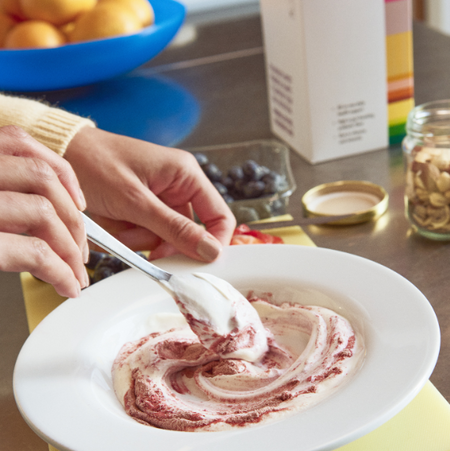
One of the reasons GLP-1 medications are so effective is that they reduce appetite. They slow the rate at which food leaves the stomach, helping you feel full sooner, eat less and stay fuller for longer. When you stop the medication, digestion speeds up again and hunger can return faster than you're used to. This is where what I call satiety stacking becomes incredibly valuable. The idea is simple: build meals around foods that naturally help you stay fuller for longer. That means combining protein, fibre, healthy fats and high-volume foods. Think wholegrain toast with eggs with some feta on top. Muesli with greek yoghurt with berries and nuts. Lentil soups with crunch sou dough croutons. Bean-based stews topped with some salmon.
3. MAKE MOVEMENT A WAY OF LIFE
Muscle is the cornerstone of sustainable weight management, especially in midlife. Yes, eating enough protein matters. But protein is only half of the equation. The other half is resistance training. Muscles need a reason to stay. Strength training provides that signal. Protein then helps those muscles recover and adapt. This becomes particularly important if GLP-1 medications have been part of your journey, as some of the weight lost can come from lean tissue as well as fat mass. Move daily. Walk often. Sit less. Include some cardiovascular exercise because your heart needs exercise too.But don't neglect strength training. Even two sessions a week can make a significant difference. The goal isn't to become a gym fanatic. The goal is to create a body that is strong, capable and resilient.
4. MANAGE THE EMOTIONAL SIDE OF EATING AND REDUCE FOOD NOISE
One of the most remarkable effects of GLP-1 medications is their ability to reduce food noise. For many people, this is life changing. But when the medication stops, that noise can return — and this is not a failure of willpower. The goal is to rebuild trust between your brain and body. Start by supporting your physiology with regular meals containing protein, fibre and healthy fats. Then get curious about why you're eating: are you hungry, angry or anxious, lonely, tired or bored? Finally, let go of food guilt. There are no "good" or "bad" foods. When you replace judgement with curiosity, it becomes easier to find balance.
5. THINK BEYOND FOOD
Weight management is influenced by sleep, stress, hormones, emotions and your environment—not just what you eat. Prioritise sleep, manage stress and pay attention to the situations that trigger unhelpful habits. Small daily practices like walking, spending time outdoors or planning ahead can make a big difference. Most importantly, set up your environment to support your goals. Keep healthy options visible, plan for busy days and make the healthy choice the easy choice.